If you have spent any time in the product world, you have heard the terms UI and UX used interchangeably, and often incorrectly. They are related disciplines, but they are not the same thing, and confusing them leads to poor hiring decisions, misaligned project scopes, and products that look great but do not actually work for users.
UX: The Experience
UX, user experience, is everything a person feels, thinks, and does when interacting with a product or service. It is not a deliverable; it is an outcome. When a product is easy to use, when it solves your problem efficiently, when it makes you feel capable rather than confused, that is good UX. When a form is hard to complete, when you cannot find what you are looking for, when an error message leaves you unsure what went wrong, that is poor UX.
UX design is the practice of intentionally shaping that experience. It includes research to understand users deeply, information architecture to organise content logically, interaction design to define flows and behaviours, and usability testing to validate whether the design actually works for real users. UX designers think about the whole journey, before, during, and after the moment of interaction with a specific screen.
UI: The Interface
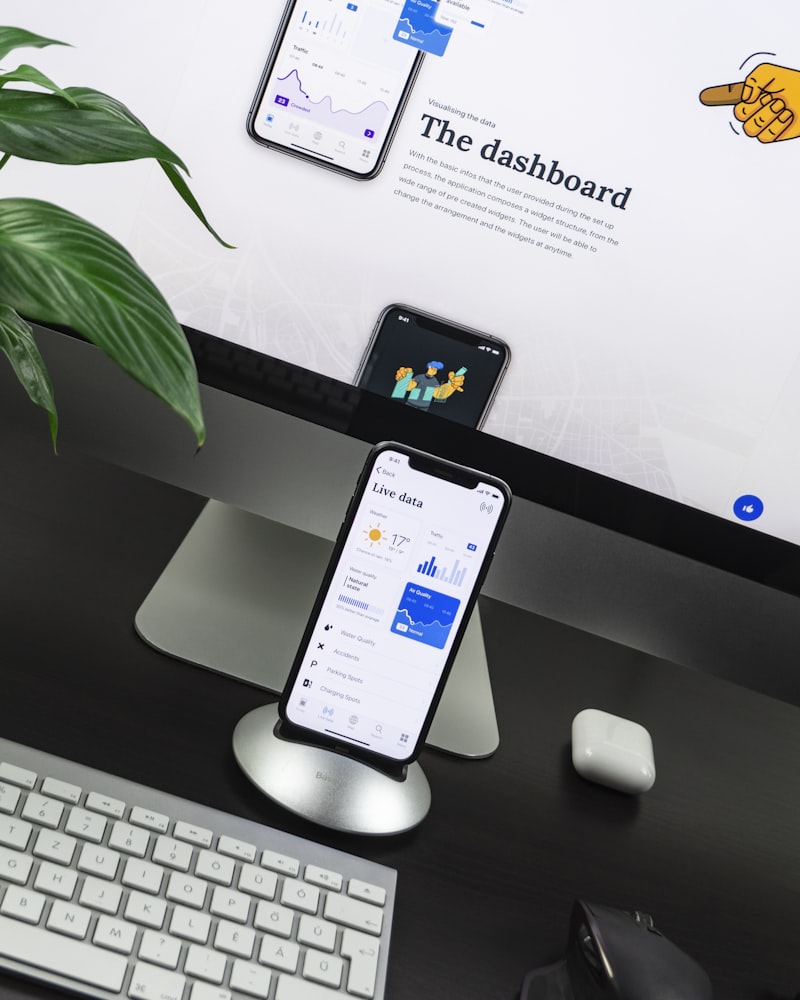
UI, user interface, is the specific visual and interactive system through which a user accesses a digital product. Every button, form field, icon, colour choice, spacing decision, and typographic rule is a UI element. UI design is the discipline of designing this visual layer to be coherent, usable, and on-brand.
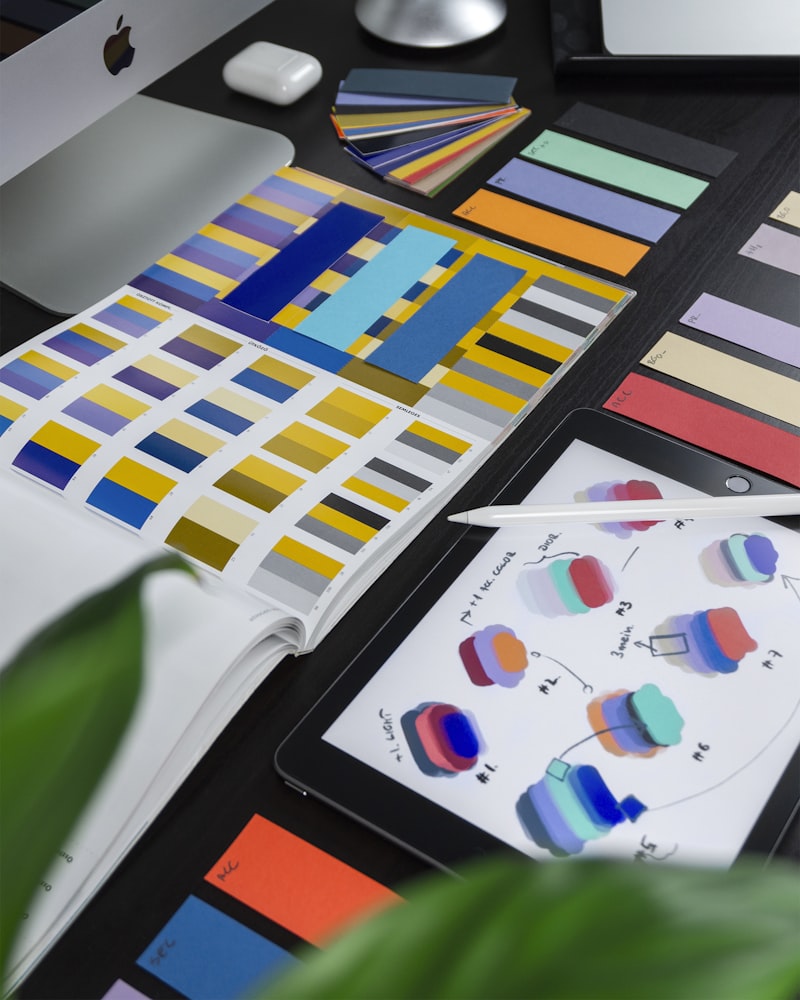
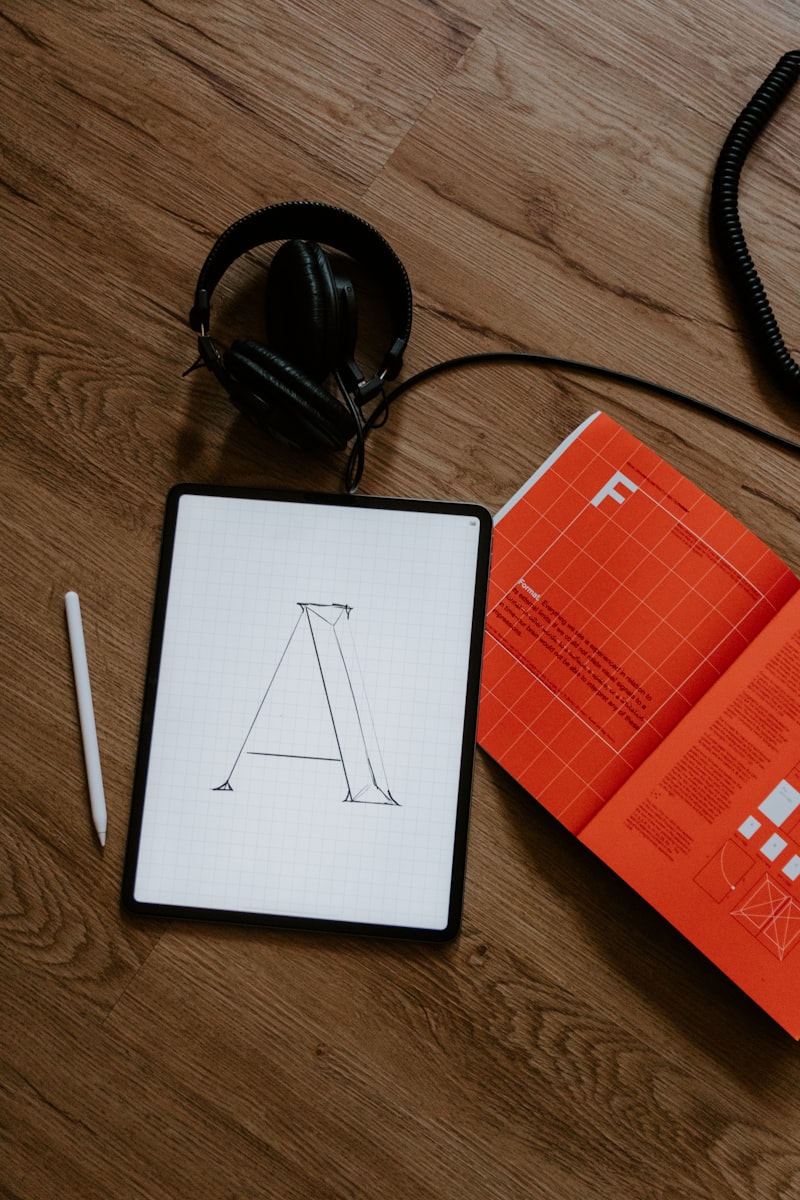
UI designers work in high visual fidelity. Their deliverables include precise screen designs, component libraries, colour systems, typography scales, interaction states, and design specifications for engineering teams. The goal is to translate the structural decisions from UX design into a visual system that is both functional and aesthetically excellent.
The Relationship Between UI and UX
A helpful analogy: UX design is the architecture of a building. It determines the layout, the flow between rooms, where entrances and exits are, and how the building serves its occupants. UI design is the interior design, the materials, lighting, colour palette, and furnishings that make the space feel right to inhabit.
You can have great architecture with poor interior design: a building that works well practically but feels cold and uninviting. You can have beautiful interior design in a poorly planned building: gorgeous finishes in a space that is confusing to navigate. The best buildings, and the best digital products, excel at both.
In practice, UX comes before UI in a well-structured design process. You first understand the user, define the flows, and validate the structure. Then you apply the visual layer. Designing the UI before the UX is like decorating a house before the foundation is complete.
Common Misconceptions
"UI/UX is the same job." In small teams and agencies, one person often does both. But the skills are distinct. A strong UX designer must be skilled at research, logic, and system thinking. A strong UI designer must have refined visual taste, deep knowledge of colour, typography, and layout, and facility with tools like Figma. Many practitioners specialise in one or the other.
"UX is only about usability; UI is about making it look good." This oversimplifies both. UX encompasses emotional design, persuasive design, and accessibility, not just task efficiency. UI is fundamentally about communication and reducing cognitive load, not just aesthetics. A beautiful UI that confuses users is poor UI design, regardless of how it looks.
"Good UI can compensate for bad UX." It cannot. A beautifully designed screen that is part of a broken user flow will still frustrate users. Polished visuals build initial trust, but they cannot rescue a product with fundamentally wrong information architecture or interaction models.
Key Takeaways
- UX (user experience) is the overall quality of how a person feels and what they can accomplish when using a product.
- UI (user interface) is the specific visual and interactive system through which users access the product.
- UX encompasses research, information architecture, interaction design, and usability; UI focuses on visual design, components, and specifications.
- In a well-structured design process, UX comes before UI, structure before visual layer.
- Neither discipline compensates for weakness in the other; great products require both.